Residential Interior Painting in Wilmington, NC
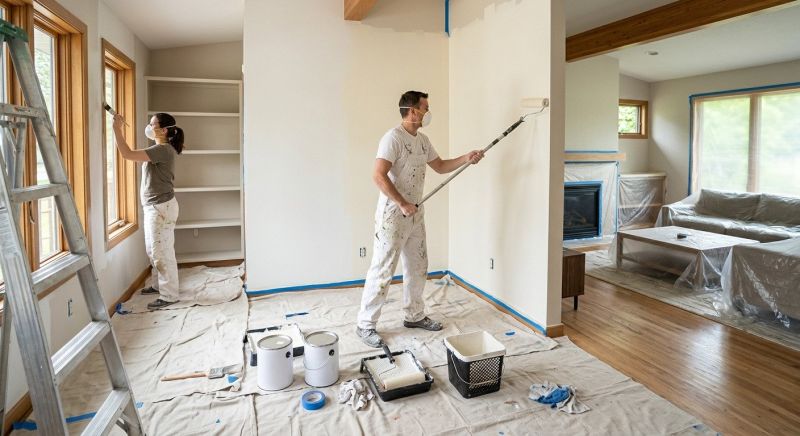
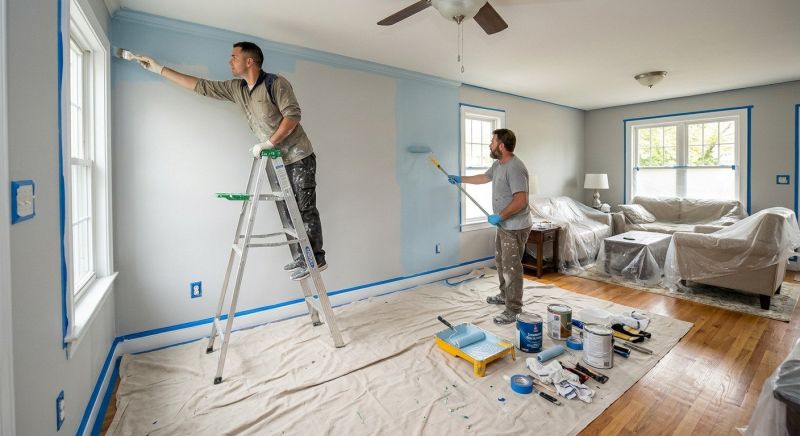
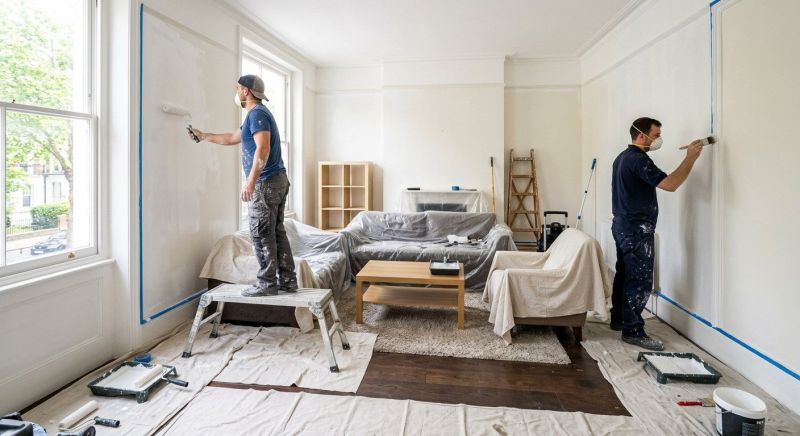
Residential interior painting services involve applying fresh coats of paint to the walls, ceilings, and other interior surfaces of a home. These projects can range from updating a single room to repainting entire homes, including kitchens, bathrooms, living rooms, bedrooms, and hallways. Homeowners often seek interior painting to enhance aesthetic appeal, refresh outdated colors, or prepare a property for sale. Before requesting this service, property owners typically want to understand the scope of work, types of paint and finishes available, and any preparation needed to ensure a smooth and lasting result.
It is important for homeowners to consider factors such as surface conditions, color choices, and the desired finish when planning interior painting projects. Clarifying the specific areas to be painted, the level of surface prep required, and any necessary repairs can help ensure expectations are aligned. Additionally, understanding the types of paint suitable for different rooms-such as moisture-resistant options for bathrooms or low-VOC formulas for bedrooms-can contribute to a successful outcome. Proper planning and communication can help property owners achieve a refreshed and inviting interior space.
Many property owners in Wilmington, NC look into Residential Interior Painting for repairs, replacements, upgrades, and appearance-related improvements.
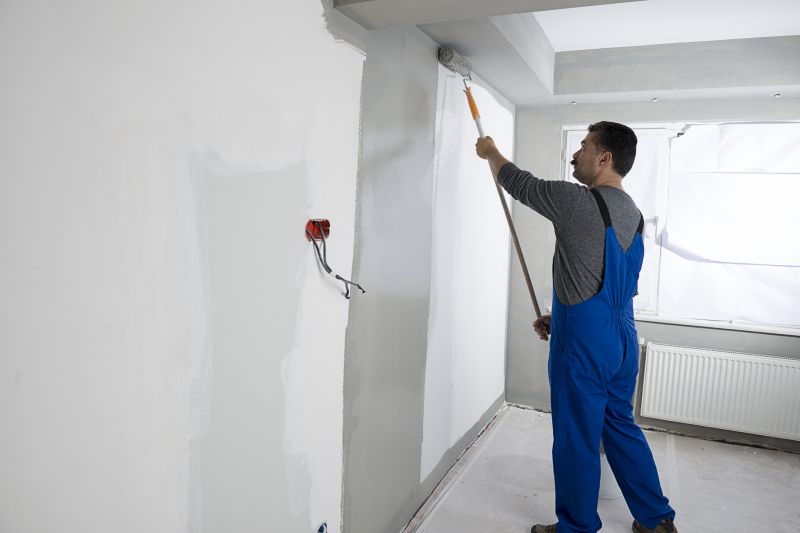
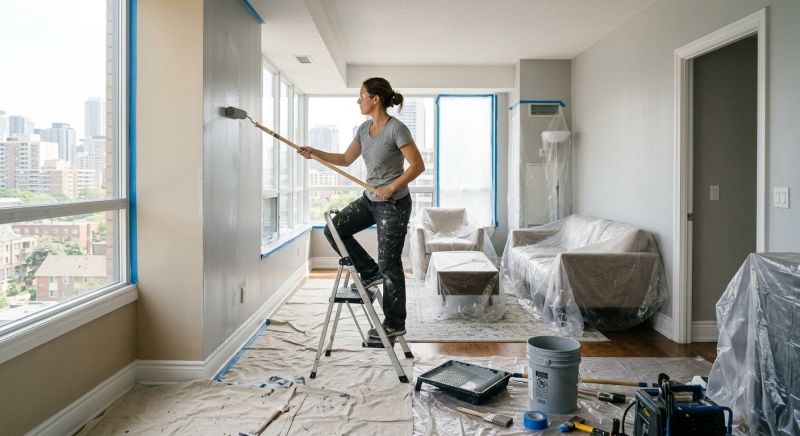
Interior Wall Refresh
Transform living spaces with fresh, vibrant wall colors tailored to your style.
Ceiling And Trim Painting
Enhance the overall look of rooms by updating ceilings, baseboards, and moldings.
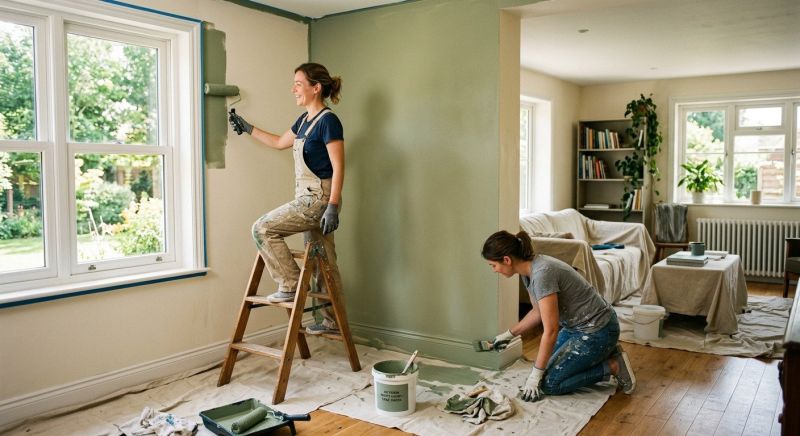
Accent Wall Creations
Add character and depth to rooms with carefully selected accent wall colors and finishes.
Residential Interior Painting in Wilmington, NC
Residential interior painting services involve applying fresh coats of paint to the walls, ceilings, and other interior surfaces of a home. These projects can range from updating a single room to repainting entire homes, including kitchens, bathrooms, living rooms, bedrooms, and hallways. Homeowners often seek interior painting to enhance aesthetic appeal, refresh outdated colors, or prepare a property for sale. Before requesting this service, property owners typically want to understand the scope of work, types of paint and finishes available, and any preparation needed to ensure a smooth and lasting result.
It is important for homeowners to consider factors such as surface conditions, color choices, and the desired finish when planning interior painting projects. Clarifying the specific areas to be painted, the level of surface prep required, and any necessary repairs can help ensure expectations are aligned. Additionally, understanding the types of paint suitable for different rooms-such as moisture-resistant options for bathrooms or low-VOC formulas for bedrooms-can contribute to a successful outcome. Proper planning and communication can help property owners achieve a refreshed and inviting interior space.
Many property owners in Wilmington, NC look into Residential Interior Painting for repairs, replacements, upgrades, and appearance-related improvements.
Common Residential Interior Painting Jobs
Living rooms - walls and ceilings can be refreshed to enhance comfort and style.
Bedrooms - calming and neutral tones create a restful environment.
Kitchens - durable finishes help maintain a clean, attractive space.
Bathrooms - moisture-resistant paints prevent damage in high-humidity areas.
Hallways and corridors - smooth, even finishes improve traffic areas' appearance.
Accent walls - add personality with bold or subtle color contrasts.
Residential Interior Painting Questions
What rooms are suitable for interior painting? Interior painting can enhance living rooms, bedrooms, kitchens, bathrooms, and hallways, providing a fresh look and improved ambiance.
What types of finishes are available for interior walls? Common finishes include matte, eggshell, satin, and semi-gloss, each offering different levels of sheen and durability.
How should surfaces be prepared before painting? Surfaces should be cleaned, patched for holes or cracks, and sanded smooth to ensure a quality finish.
Is primer necessary for interior painting projects? Primer is recommended to improve paint adhesion, especially on new, stained, or previously painted surfaces.
Request Residential Interior Painting in Wilmington, NC
Use the quote form on this page to share the basics of your project and request more information for the type of work you need.